Integrating Vintage Floral Border Watercolor PNGs into Your Creative Workflow
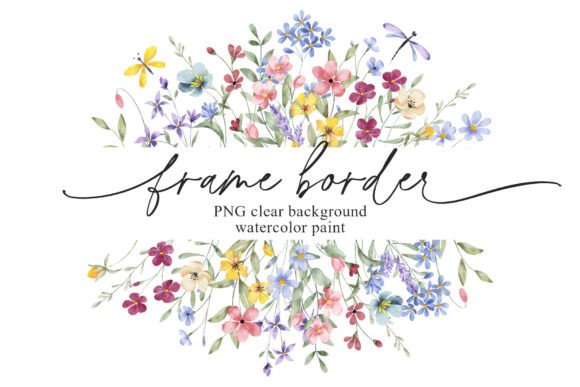
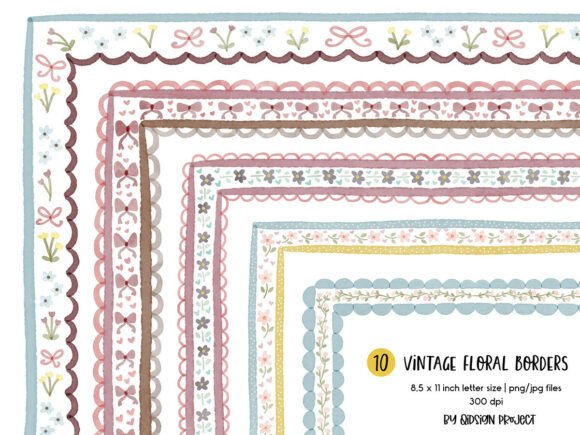
In the realm of digital design and physical crafting, achieving a cohesive aesthetic often depends on the quality of the assets used. A Vintage Floral Border Watercolor PNG bundle is more than just a collection of images; it is a foundational resource for establishing a specific visual tone—romantic, feminine, or cottagecore—across various mediums. This collection, featuring ten hand-painted designs with scallop borders, pastel flowers, and delicate bows, serves as a versatile toolkit for professionals and hobbyists alike. Understanding how to effectively integrate these high-resolution assets into your workflow is key to maximizing their value and ensuring project success.
Understanding the Asset: What You Are Working With
Before implementation, it is crucial to understand the technical specifications and aesthetic composition of the asset. The bundle provides ten distinct frame designs in both PNG and JPG formats at 300 DPI. This high resolution is critical for print-ready projects, ensuring that the watercolor textures appear crisp and the colors remain vibrant without pixelation on standard letter-sized (8.5 x 11 inch) prints.
The "vintage" and "watercolor" aspects define the texture. Unlike flat vector graphics, watercolor borders have organic edges, color bleeds, and varying opacity. The PNG format preserves these details with transparency, allowing the soft edges of the floral elements to blend seamlessly over background colors or textures. This compatibility is essential for layering in design software like Adobe Photoshop, Illustrator, or Canva, where the asset interacts dynamically with underlying content.
Strategic Planning and Pre-Project Preparation
Effective use of design assets begins with organization. Upon purchasing the instant digital download, the immediate workflow step should be file management. Rather than leaving the files in a generic "Downloads" folder, create a structured asset library. Categorize these files under a directory such as "Textures > Borders > Floral Watercolor."
Furthermore, analyze the ten designs to understand their specific strengths. Some frames may feature dense floral arrangements suitable for heavy framing, while others might utilize simple scallop borders with minimal accents for a more subtle effect. Matching the specific border design to the project's layout requirements during the planning phase prevents workflow interruptions later. For instance, a design with heavy top-left and bottom-right floral clusters works best on square or portrait formats, whereas a symmetrical scallop border suits landscape layouts.
Integration in Digital Design Workflows
For digital creators, these borders are plug-and-play assets that significantly reduce production time. The primary utility lies in their ability to act as a "mask" or "overlay" that instantly elevates a flat design.
Streamlining Invitation and Stationery Design
When designing wedding invitations or baby shower suites, consistency is paramount. The workflow involves placing the Vintage Floral Border Watercolor PNG as the top layer in your design software. Because the PNGs have transparent backgrounds, you can place them over your paper texture or solid color background. The text and core content should be centered within the frame. This approach eliminates the need to hand-paint or source multiple individual floral elements to create a cohesive border, saving hours of manual composition.
Enhancing Social Media and Branding
For social media managers and small business owners, maintaining a consistent brand aesthetic across platforms is a daily task. These floral frames can be used to create branded templates for quotes, sale announcements, or testimonials. By applying the same border style to recurring post types, you create visual continuity that helps followers instantly recognize your content. This is particularly effective for brands in the wellness, beauty, or lifestyle sectors where the shabby chic or feminine aesthetic resonates with the target audience.
Physical Production: Print and Sublimation Considerations
The transition from digital file to physical product requires attention to technical details. The 300 DPI resolution of these files makes them ideal for high-quality printing, but the medium dictates the preparation.
Standard Printing and Scrapbooking
For standard home printing or professional print shops, the JPG files are often sufficient. However, if you intend to print the borders onto patterned paper or colored cardstock, the PNG files are necessary. You would place the PNG border over your digital background pattern in a document editor before printing. This ensures the watercolor details remain transparent where intended, rather than printing with a white box around them.
Sublimation and Heat Transfer
For sublimation projects—such as printing onto mugs, t-shirts, or tote bags—the interaction between the ink and the substrate is different. Watercolor designs can be tricky in sublimation because the ink becomes a gas and bonds with the coating on the product. It is advisable to perform a test print to ensure the pastel watercolor hues do not become too faint or transparent on the final product. Using the high-contrast JPG versions might sometimes yield better results on textured fabrics, whereas the PNGs work best on rigid surfaces like ceramic or metal where the transparency can blend with the white base coat.
Workflow Optimization and Efficiency
One of the most significant advantages of using a pre-made bundle like the Vintage Floral Border Watercolor PNG collection is the efficiency gain in the creative process. Instead of commissioning custom artwork or spending hours manipulating individual brush strokes, you are engaging in a "layout and assembly" workflow.
To maximize efficiency:
- Create Templates: In Canva or Photoshop, set up a master document with your preferred borders already positioned and sized. Duplicate this file for every new project to maintain consistency and speed up production.
- Batch Processing: If you are creating a series of printable journals or a set of greeting cards, design all items in the series at once using the same border set. This ensures color consistency across the collection and reduces the mental load of switching contexts.
- Color Coordination: Use a color picker tool to sample the pastel colors directly from the floral borders. Use these hex codes to select fonts and background colors that harmonize perfectly with the watercolor palette, ensuring a professional, curated look.
Adapting to Specific Use Cases
The versatility of these borders allows them to serve different functions depending on the project goals.
Scrapbooking and Journaling
In digital or physical scrapbooking, these frames serve as focal points. Rather than framing a photo, consider using the frame to highlight a specific memory or journal entry. The vintage aesthetic pairs well with sepia-toned photos or black-and-white images, creating a nostalgic feel. For bullet journals, these borders can be printed on sticker paper and cut out to create functional decorations that organize the page layout.
Educational and Professional Materials
Educators and trainers can use these borders to soften the appearance of worksheets, certificates, or course materials. The "cottagecore" aesthetic is currently popular in lifestyle and educational content creation. Using a soft floral border on a "Student of the Week" certificate or a course completion award adds a layer of perceived value and care to the document.
Long-Term Use and Quality Control
As with any digital asset, the longevity of the Vintage Floral Border Watercolor PNG depends on how it is used. Avoid over-stretching the image beyond its native dimensions (8.5 x 11 inches) to prevent quality loss. If you need a border for a larger format, such as a poster, consider tiling the design or using only a corner element of the frame.
Additionally, keep the original downloaded files in a secure backup location. Cloud storage solutions like Google Drive or Dropbox are recommended to ensure you can access your assets across different devices—a necessity for freelancers who may work from a home studio, a client's office, or a co-working space.
By treating these watercolor borders not just as decoration but as functional components of your design system, you can streamline your creative process, maintain high aesthetic standards, and produce professional-grade projects that resonate with your audience. Whether you are finalizing a wedding suite, curating an Instagram feed, or designing a printable planner, these assets provide the structural and aesthetic foundation needed for successful execution.