Elevating Your Craft: The Modern Appeal of Scattered Pattern Rhinestone Design
In the dynamic world of custom apparel and personalized goods, the difference between a standard product and a standout piece often lies in the details. For creators, entrepreneurs, and designers, the pursuit of unique, high-impact embellishments is constant. While traditional rhinestone layouts have their place, a more contemporary and versatile approach is capturing the attention of the market: the Scattered Pattern Rhinestone Design. This isn't merely about placing shiny objects; it's a deliberate design philosophy that offers a sophisticated, organic aesthetic, perfectly aligned with current trends in fashion, branding, and digital fabrication. Understanding this design language is key to unlocking new creative possibilities and meeting the evolving demands of a style-conscious audience.
Understanding the Scattered Pattern Rhinestone Design Aesthetic
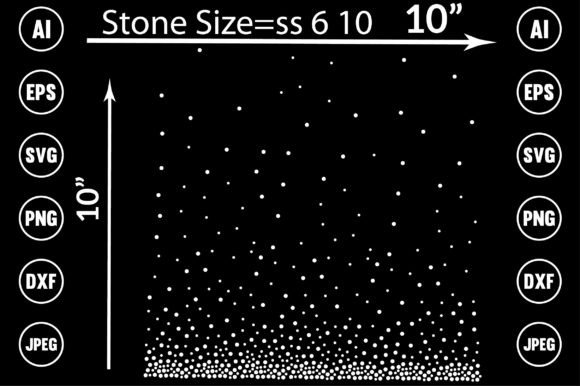
At its core, a Scattered Pattern Rhinestone Design moves away from rigid, geometric, or pictorial arrangements. Instead, it embraces an intentionally random, organic distribution of rhinestones across a surface. Imagine the gentle dispersion of stars in the night sky or the natural clustering of pebbles on a riverbed—this is the essence of the scattered pattern. The design creates texture, light play, and visual interest without dictating a specific image. This subtlety is its strength. It adds a layer of luxury and dimension to a product while allowing the base material or underlying graphic to remain the primary focus. This technique is particularly effective for creating a "high-end" feel, as it mimics the bespoke, hand-placed look that is highly sought after in custom fashion and artisan goods.
The Intersection of Digital Craft and Market Demand
The relevance of the Scattered Pattern Rhinestone Design is deeply connected to broader industry shifts. The rise of on-demand manufacturing, powered by accessible tools like heat presses and cutting machines, has democratized production. Professionals and freelancers can now offer small-batch or even single-unit custom items profitably. However, this accessibility also means a crowded marketplace. To stand out, creators need designs that are not only unique but also efficient to produce and adaptable to various products.
This is where the scattered pattern excels. Its non-representational nature makes it incredibly versatile. A single template can be used to embellish a diverse product line—from a subtle accent on a sleeve of a t-shirt to a full-coverage design on a tote bag or a shimmering border on a cushion. This versatility is a significant business advantage. It streamlines inventory, as one design file can serve multiple applications, and it allows for rapid customization. A client's logo or text can be easily integrated into the design space without competing with a complex pictorial rhinestone layout, making it a favorite among marketers and entrepreneurs creating branded merchandise.
Practical Workflow and the Power of Editable Templates
The practical application of a Scattered Pattern Rhinestone Design hinges on the quality and format of the source file. This is a critical consideration for any serious creator. The design must be delivered in formats that are not just viewable, but truly functional within professional workflows. A comprehensive package, such as the one described for this specific printable template, is the industry standard for a reason.
When you receive a ZIP folder containing Ai, EPS, SVG, DXF, PNG, and JPEG files at high resolutions (300dpi/ppi), you are equipped for any scenario:
- Vector Files (Ai, EPS, SVG): These are the workhorses for professional creators. They are infinitely scalable without loss of quality, meaning the same Scattered Pattern Rhinestone Design can be used for a tiny lapel pin or a large wall hanging. More importantly, they are editable. A designer can adjust the density of the scatter, change the color of the rhinestones (by assigning different color codes), or modify the shape of the pattern to fit a specific garment template. This editability is non-negotiable for custom work and brand consistency.
- DXF File: This is crucial for compatibility with a wide range of electronic cutting machines (like Silhouette and Cricut) and rhinestone template software. It ensures the design translates accurately into a physical template for placing the stones.
- High-Resolution Raster Files (PNG, JPEG): The transparent PNG is invaluable for digital mockups, presentations, and direct printing on certain materials. The JPEG is useful for reference and client approvals. The 300dpi/ppi resolution guarantees that the design remains crisp and clear, whether used for digital display or high-quality print output.
This multi-format delivery system reflects an understanding of modern, hybrid workflows. A freelancer might use the SVG to create a vector mockup for a client, then use the DXF to produce the physical template, and finally use the PNG for a promotional social media post. The efficiency gained from having all necessary files ready to go cannot be overstated.
Why Creators and Entrepreneurs Are Paying Attention
The attention directed towards the Scattered Pattern Rhinestone Design is a response to several changing preferences and expectations:
- The Demand for Texture and Tactility: In a digital-first world, physical products that offer sensory appeal are more valued than ever. Rhinestones provide a tangible, light-catching texture that digital prints cannot replicate. The scattered pattern does this in a sophisticated way that appeals to a mature audience.
- The Rise of "Quiet Luxury" and Subtle Branding: Overt logos and loud graphics are giving way to more understated, quality-focused aesthetics. A Scattered Pattern Rhinestone Design allows for brand enhancement through subtle shimmer and texture, aligning with trends toward minimalist yet premium branding.
- The Need for Scalable Customization: As mentioned, the editability of the design files allows for scalable customization. A small business can use the same core design to create a consistent look across employee uniforms, customer gifts, and retail products, adjusting only the scale and placement.
- Integration with Modern Technology: The design is born from and optimized for digital tools. It works seamlessly with design software and cutting machines, fitting into the efficient, tech-enabled workflows that professionals rely on. This reduces the learning curve and production time, making sophisticated embellishment accessible.
Connecting to Larger Developments in Design and Commerce
The popularity of designs like the Scattered Pattern Rhinestone Design is a microcosm of larger developments. It reflects the convergence of the maker movement with professional entrepreneurship. It speaks to the "phygital" trend—where digital design tools create physical products with enhanced value. Furthermore, it underscores the importance of asset quality in the creator economy. Professionals are not just buying a graphic; they are investing in a versatile, production-ready tool that solves multiple creative and business challenges.
In conclusion, the Scattered Pattern Rhinestone Design represents more than just a decorative option. It is a strategic asset for the modern creator. It bridges the gap between artisanal appeal and scalable production, meets the market's appetite for textured, sophisticated customization, and integrates flawlessly into the digital workflows that define contemporary craft and commerce. For professionals, entrepreneurs, and enthusiasts looking to elevate their offerings, understanding and utilizing this design approach is a forward-looking step toward creating products that are both beautiful and commercially viable.